7,000 Years of
Civilization
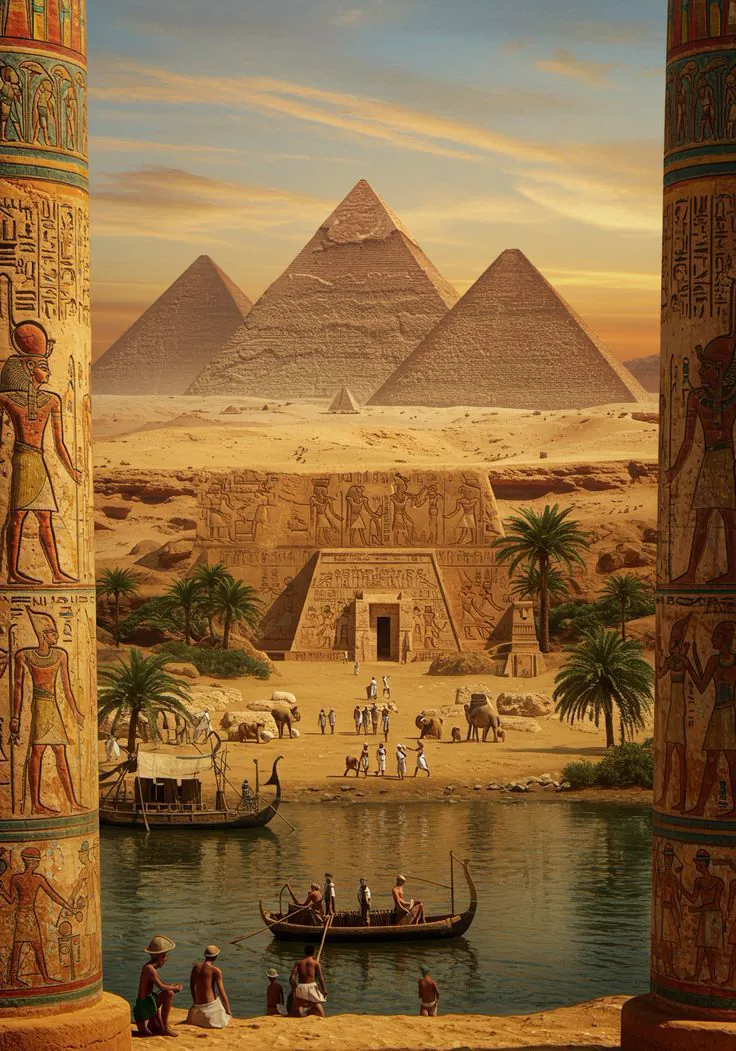
The Dawn of Egyptian Civilization
Long before the pyramids, the Nile Valley was home to small farming communities. Around 6000 BC, these villages began to grow into larger settlements, trading goods and developing the first forms of writing and art. The predynastic period (c. 6000–3150 BC) saw the rise of two distinct kingdoms: Upper Egypt in the south and Lower Egypt in the north.
The unification of these two lands around 3100 BC by King Narmer marked the beginning of the Pharaonic era — a time when Egypt would become one of the most powerful and enduring civilizations in history.
c. 3100 BC
King Narmer
Memphis
The Old Kingdom
The Old Kingdom is often called the "Age of the Pyramids" because it was during this time that the Egyptians perfected the art of pyramid building. Under the rule of powerful pharaohs like Djoser, Sneferu, Khufu, and Khafre, Egypt reached new heights of architectural and artistic achievement.
The Step Pyramid of Djoser at Saqqara, designed by the legendary architect Imhotep, was the first monumental stone building in history. It set the stage for the true pyramids at Giza — the Great Pyramid of Khufu, which stood as the tallest man-made structure for nearly 4,000 years.
Wonders of the Old Kingdom
Three iconic structures that defined an era and still inspire awe thousands of years later.
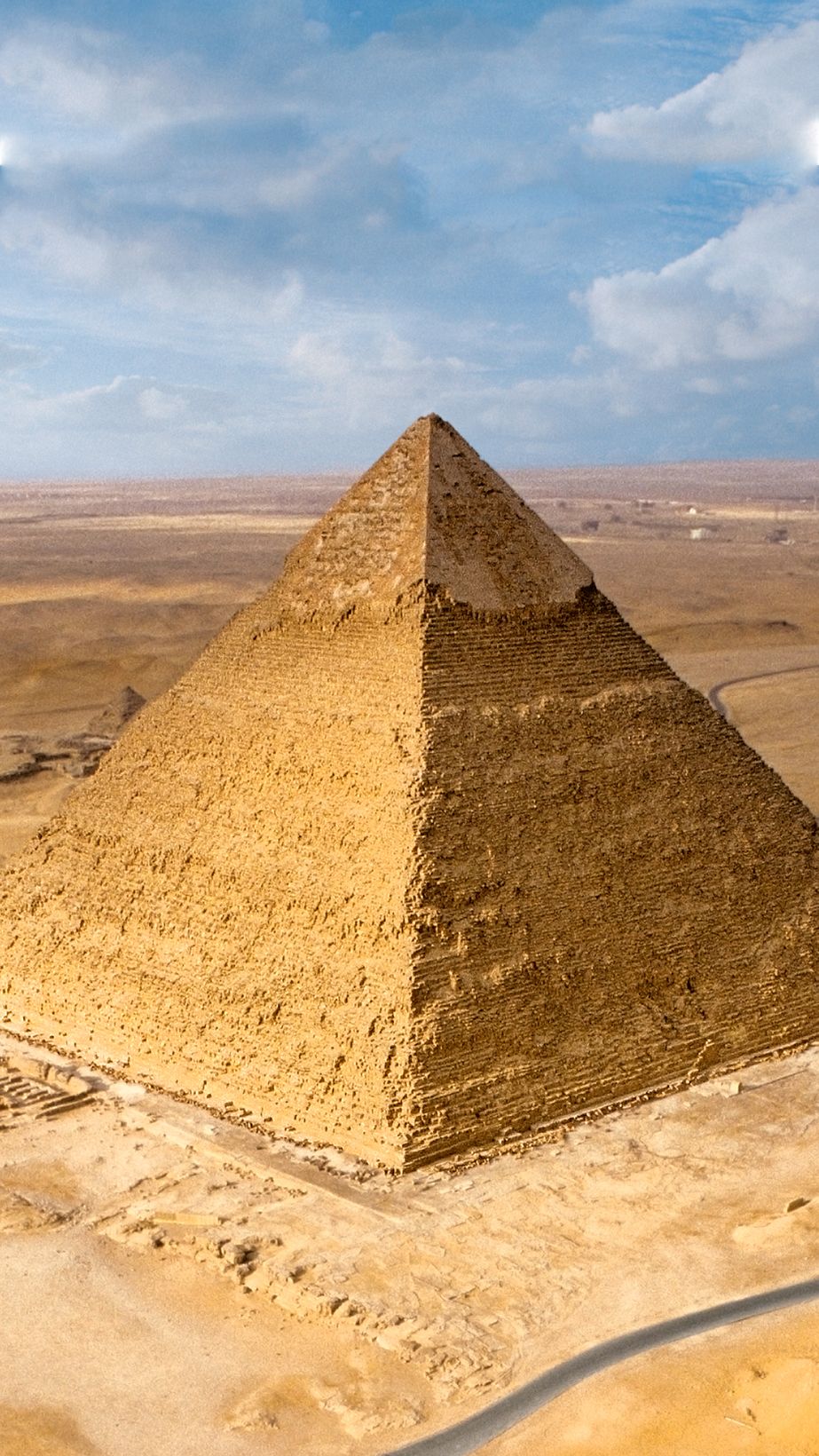
The Great Pyramid
Giza, EgyptBuilt for Pharaoh Khufu around 2560 BC, it stood as the tallest man-made structure for over 3,800 years. It contains an estimated 2.3 million stone blocks, each weighing up to 80 tons.
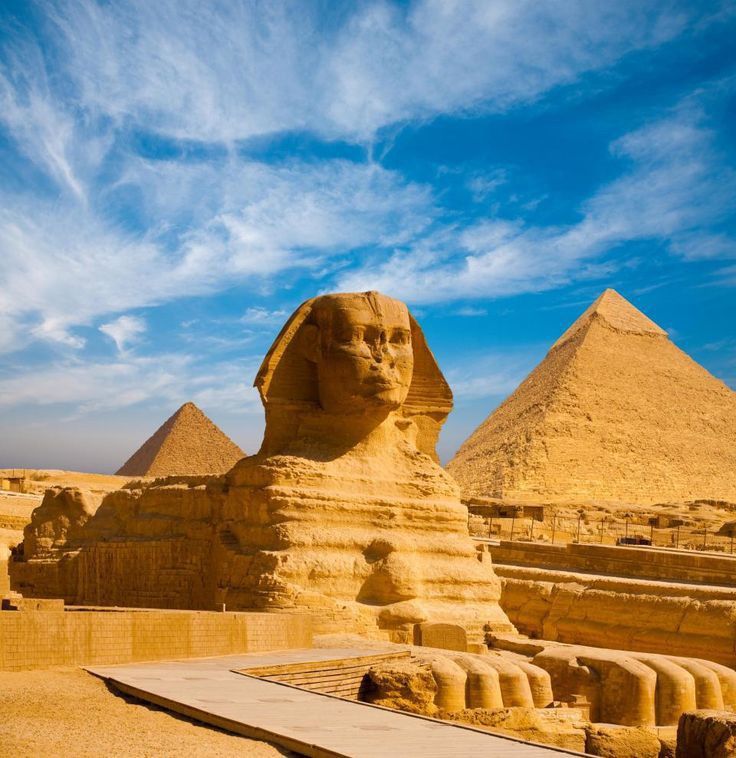
The Great Sphinx
Giza, EgyptCarved from a single limestone ridge, the Sphinx is the largest monolithic statue in the world. It guards the Giza Plateau with the body of a lion and the head of a pharaoh believed to be Khafre.
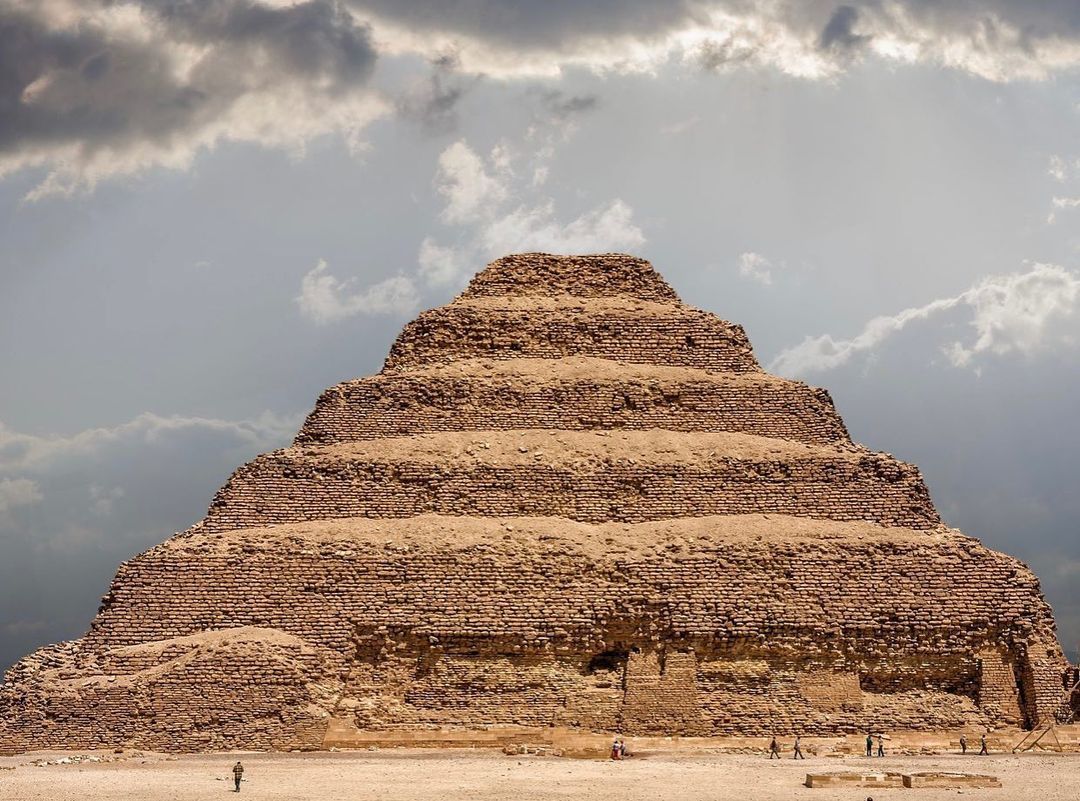
The Step Pyramid
Saqqara, EgyptDesigned by the legendary architect Imhotep for Pharaoh Djoser around 2670 BC, this was the first monumental stone building in history. It marked the beginning of the pyramid-building era.
Discoveries That Changed History
From the golden mask of Tutankhamun to the Rosetta Stone — these finds unlocked the secrets of ancient Egypt.
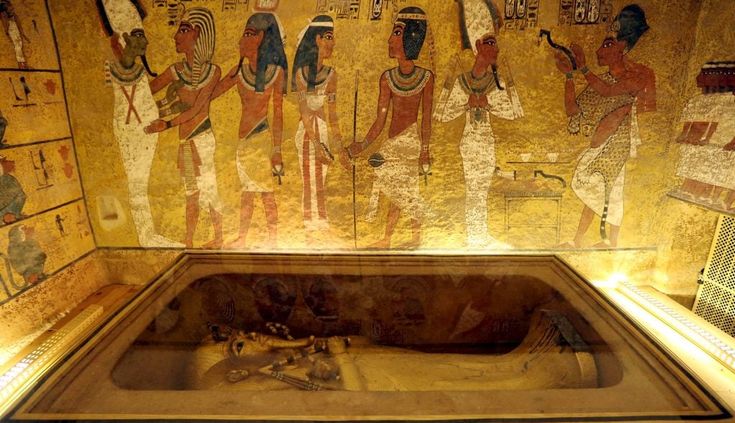
Tutankhamun's Tomb
In November 1922, British archaeologist Howard Carter made the greatest discovery in Egyptology the nearly intact tomb of the boy king Tutankhamun in the Valley of the Kings. After years of searching, Carter uncovered a staircase that led to the tomb's entrance, sealed for over 3,200 years.Inside, they found over 5,000 treasures, including the iconic solid gold funerary mask, gilded thrones, chariots, jewelry, and weapons. The tomb also contained four nested shrines protecting the king's mummified body.The discovery captivated the world and sparked a global fascination with ancient Egypt. Though Tutankhamun's reign was brief, he became the most famous pharaoh in history — a legend born from the treasures that accompanied him to the afterlife.
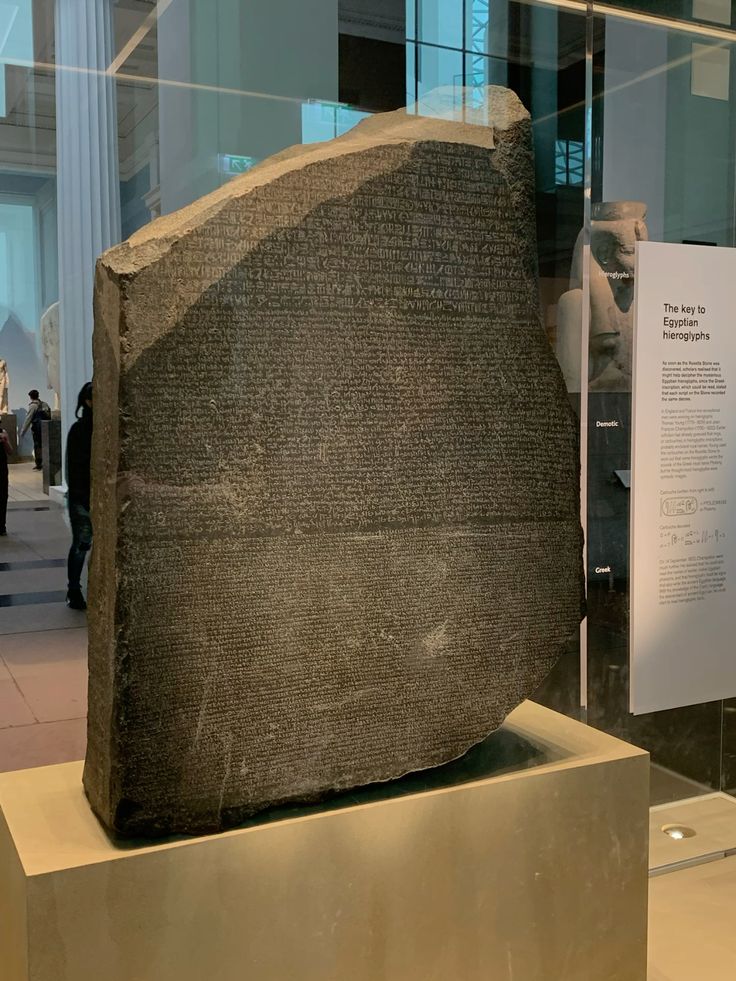
Rosetta Stone
Found by French soldiers, this granodiorite stele became the key to deciphering Egyptian hieroglyphs, unlocking thousands of years of history.
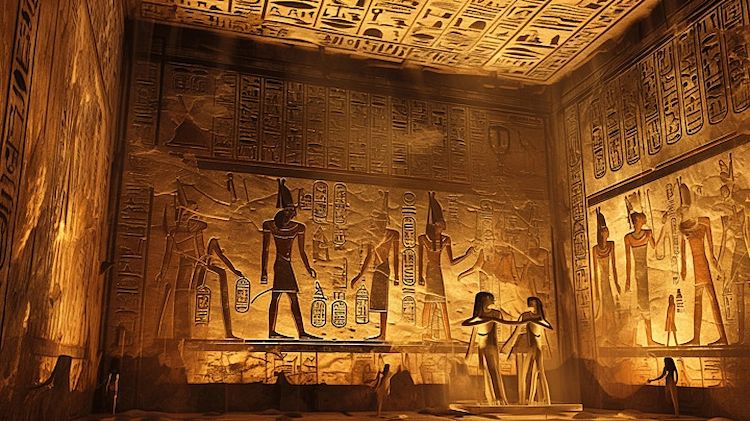
Royal Mummies Cache
The Deir el-Bahri cache contained the mummies of over 40 pharaohs, including Ramesses II and Thutmose III, preserved for eternity.
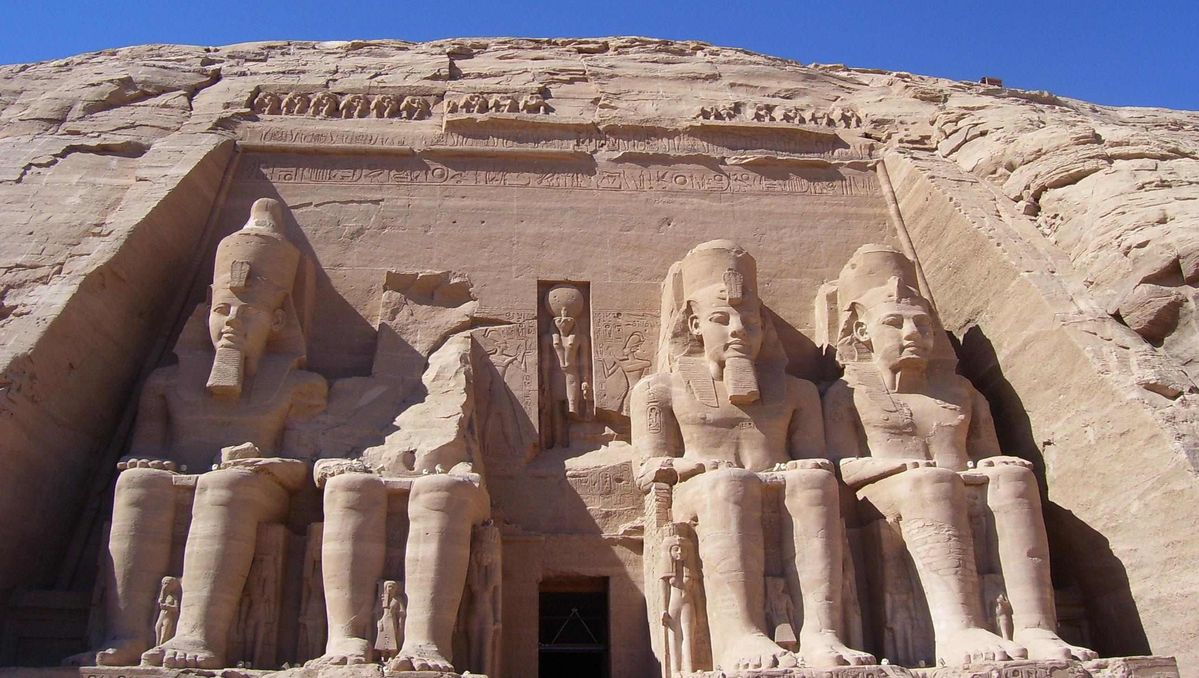
Abu Simbel Rescue
The massive temple complex of Ramesses II was relocated in a UNESCO-led rescue mission to save it from the rising waters of Lake Nasser.
Egypt: The Eternal Empire
Journey through 3,000 years of history, from the unification of Egypt to the reign of Cleopatra. Explore the mysteries of the pharaohs, the construction of the pyramids, and the daily life along the Nile.